
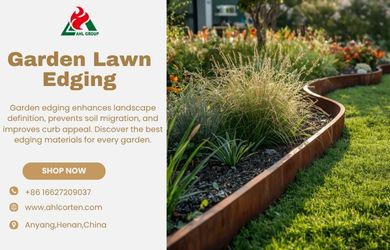
Garden edging is an effective way to create clean borders, separate landscape zones, and improve the overall appearance of your outdoor space. From durable Corten steel and natural stone to brick, concrete, and timber, choosing the right garden edging helps control soil, define pathways, and add lasting visual appeal.
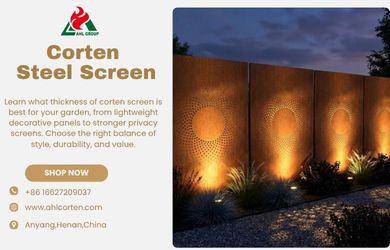
Weathering steel screens are a popular landscaping element in modern courtyards, villa landscapes, and commercial gardens. Combining an artistic openwork design
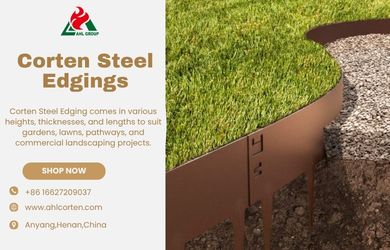
Corten Steel Edging is available in multiple sizes to meet different landscape design needs. Common heights range from 75mm to 300mm, thicknesses from 1.5mm to 3.0mm, and lengths from 1m to 3m. Choosing the right size ensures strong soil retention, clean borders, and long-term durability for residential and commercial landscaping projects.
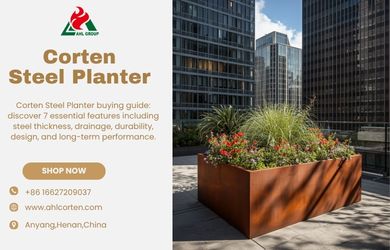
Corten Steel Planter selection is crucial for creating a durable and visually striking landscape. From material thickness and drainage systems to weld quality, structural strength, and weather resistance, understanding the key features helps ensure long-lasting performance, minimal maintenance, and timeless outdoor appeal.
.jpg)
Corten fire pit installations require a stable, heat-resistant surface to ensure safe operation and long-term performance. Whether placed on gravel, concrete, pavers, or a fireproof base, choosing the right foundation helps prevent scorching, cracking, uneven settling, and costly landscape damage while enhancing safety and durability.
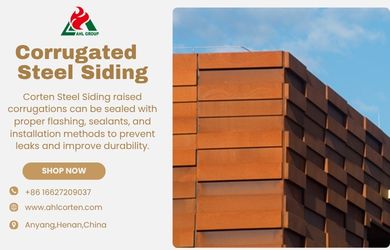
Corten Steel Siding is prized for its weathered appearance, strength, and low maintenance. Properly sealing raised corrugations is essential to prevent water intrusion, improve weather resistance, and extend service life. This guide explains the best sealing techniques, materials, and installation practices for long-lasting performance.
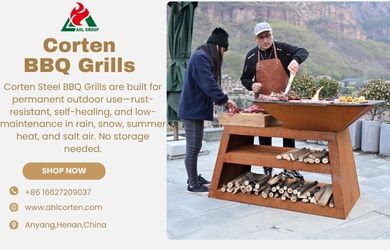
Corten Steel BBQ Grills are premium weathering-steel grills engineered for year-round outdoor placement. Their copper-chromium-nickel alloy forms a dense, self-healing patina that blocks moisture and oxygen, preventing flaking rust and decay. Resistant to rain, frost, summer heat, and salt fog, these grills require no storage, covers, or repainting—growing richer and more refined with age, perfect for gardens, patios, and outdoor kitchens.
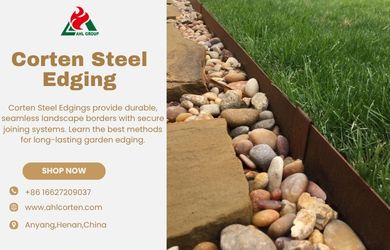
Corten Steel Edgings are a premium solution for creating clean, durable, and visually seamless garden borders. Whether for lawns, flower beds, gravel paths, or commercial landscapes, proper joining techniques ensure stability, prevent shifting, and extend service life. Learn the best methods for a secure, professional installation.
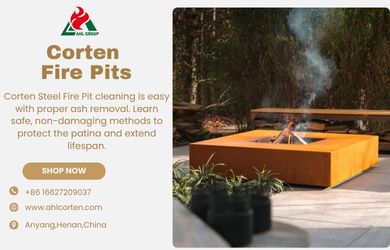
Corten Steel Fire Pit maintenance starts with proper ash cleaning. Removing ash regularly improves airflow, prevents moisture-related corrosion, protects the natural rust patina, and extends product life. Discover the safest cleaning methods to keep your fire pit efficient, durable, and visually appealing for years.
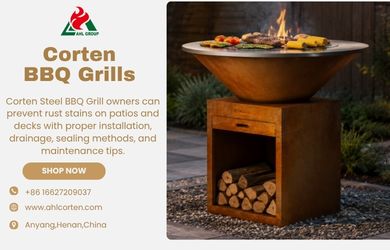
Corten Steel BBQ Grill designs offer a stunning rusted appearance, but many users worry about rust runoff staining patios, stone paving, wood decks, and concrete surfaces. Learn the causes of staining, proven prevention methods, installation best practices, and maintenance tips to keep your outdoor space clean and attractive.
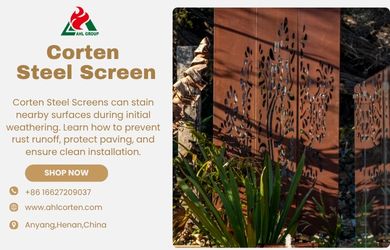
Corten Steel Screens add timeless beauty and architectural appeal to gardens, courtyards, and building facades. While new screens may produce temporary rust runoff during the weathering process, proper pre-rusting, drainage design, and installation techniques can effectively prevent staining and keep surrounding surfaces clean and attractive for years.
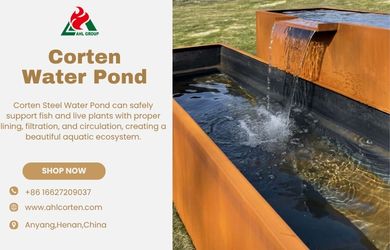
Corten Steel Water Pond is an ideal solution for creating stunning fish ponds and aquatic gardens. With proper waterproof lining, filtration, and water circulation systems, it provides a safe environment for fish and live plants while maintaining the unique rustic beauty of weathering steel.
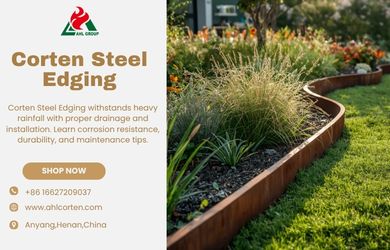
Corten Steel Edging is designed to perform in challenging outdoor environments, including heavy rain and high humidity. This guide explains how weathering steel resists corrosion, prevents soil erosion, and maintains structural stability. Discover installation best practices, drainage solutions, and expert tips for long-lasting landscape performance.
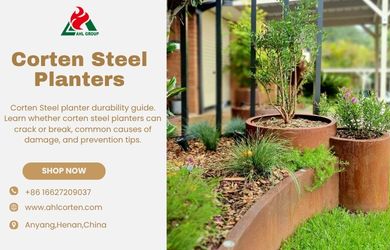
Corten Steel planter solutions are renowned for strength, longevity, and timeless rusted beauty. Many homeowners and landscape designers wonder whether these planters can crack, warp, or fail over time. This guide explores real damage risks, structural integrity, maintenance, and expert buying advice.

Corten Steel fire pit enhances outdoor living with a rustic, durable design, but many users ask if a steel ring is necessary. This guide explains when a fire ring is essential, when it’s optional, and how it improves safety, protects surfaces, and extends fire pit lifespan.
 Fill In The Inquiry