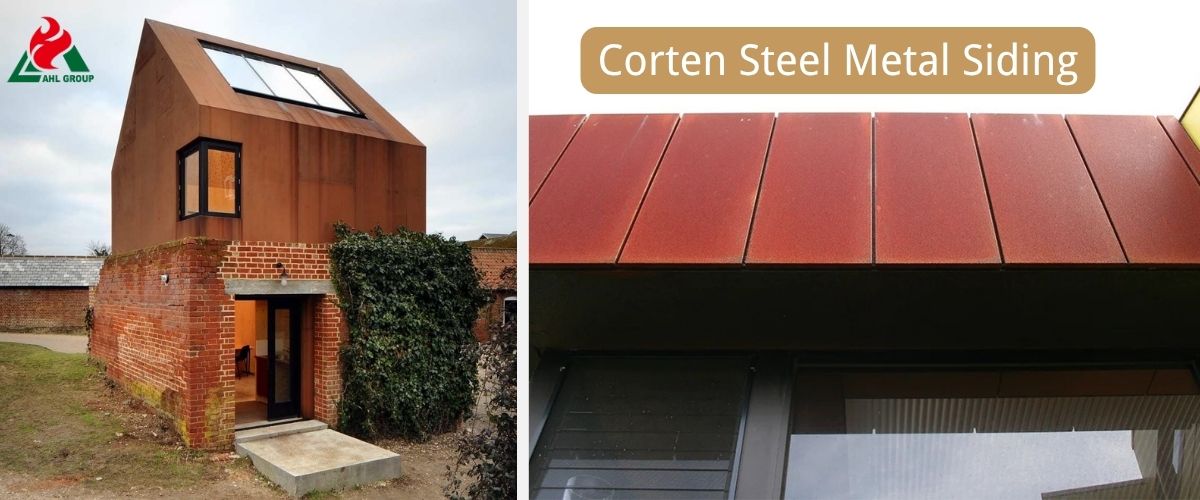
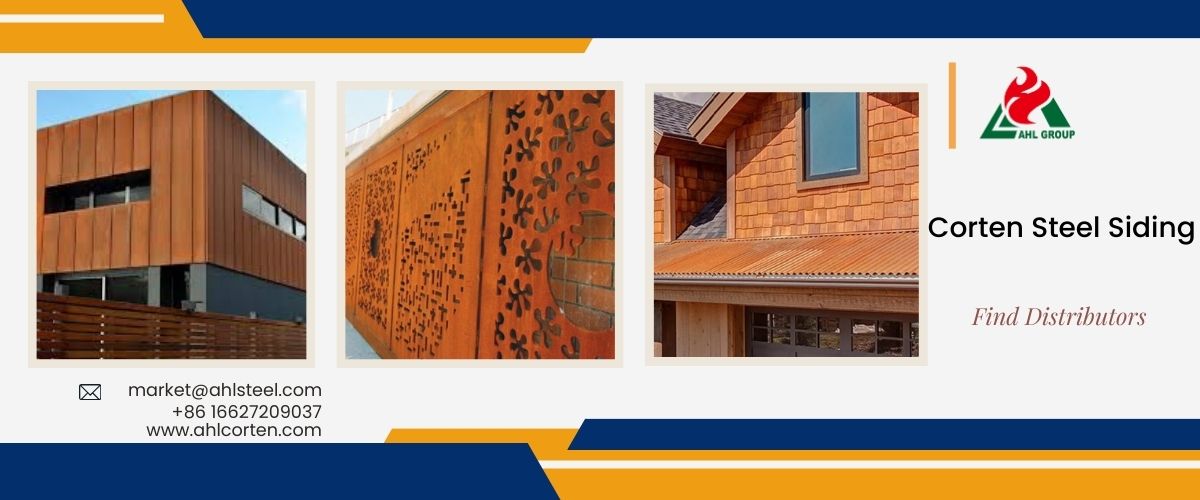
Corten steel siding has become one of the preferred materials for modern architecture and outdoor design due to its robust structure and distinctive weathered texture.
Widely used in residential exteriors, commercial buildings, garden fences, and similar applications, its core advantage lies in naturally forming a rust-colored patina. This not only provides corrosion protection but also creates a unique aesthetic blending industrial style with natural charm. However, as outdoor gardening and building maintenance experts, we must clarify: weathering steel siding is “low-maintenance,” not “zero-maintenance.”
This comprehensive 2026 guide will break down maintenance techniques for corten steel panels, helping you extend their lifespan, preserve their aesthetic appeal, avoid common upkeep pitfalls, and ensure this investment in both beauty and durability continues to enhance your space.
Why Does Corten Metal Siding Require Basic Maintenance?
The Protective Principle of Patina
The core advantage of weathering steel panels lies in their ability to form a stable, dense rust-colored oxide layer (patina) on the surface through natural wet-dry cycles.
This patina firmly seals the underlying metal, blocking oxygen and moisture erosion at the source to prevent deep corrosion. This allows the panels to maintain structural integrity for decades without frequent repainting or refurbishment.
Four “Invisible Killers” That Destroy Patina
Despite the exceptional toughness of weathering steel, the following four conditions can disrupt patina formation and stability, accelerating panel deterioration:
1. Standing water: Prolonged moisture hinders patina densification, triggering localized excessive rusting. 2. Salt corrosion: Includes coastal salt spray and road de-icing salts. 3. Chemical contamination: Such as industrial exhaust fumes and pool chemicals. 4. Improper installation: Leading to water accumulation in panel gaps and impaired ventilation.
The Long-Term Value of Basic Maintenance
Unlike traditional cladding materials, corten steel wall panels require no annual painting or touch-ups. Basic maintenance involves simple cleaning and drainage checks to prevent peeling, bubbling, or cracking. Proper routine care not only preserves the panel's uniform color and exceptional texture but also reduces future repair and replacement costs, truly delivering “one-time installation, lifelong benefits.”
Marketing Highlights: Low Maintenance + High Style, Perfectly Blending Architecture and Nature
The weathered texture of corten steel panels effortlessly complements modern, minimalist, rustic, and other design styles, harmonizing beautifully with materials like concrete, stone, and wood.
Today, over 30% of commercial buildings in climate-sensitive regions incorporate weathering steel panels as exterior cladding. This choice not only conveys a brand's steadfast character but also aligns with green building principles, making it an optimal selection that combines visual appeal with practicality.
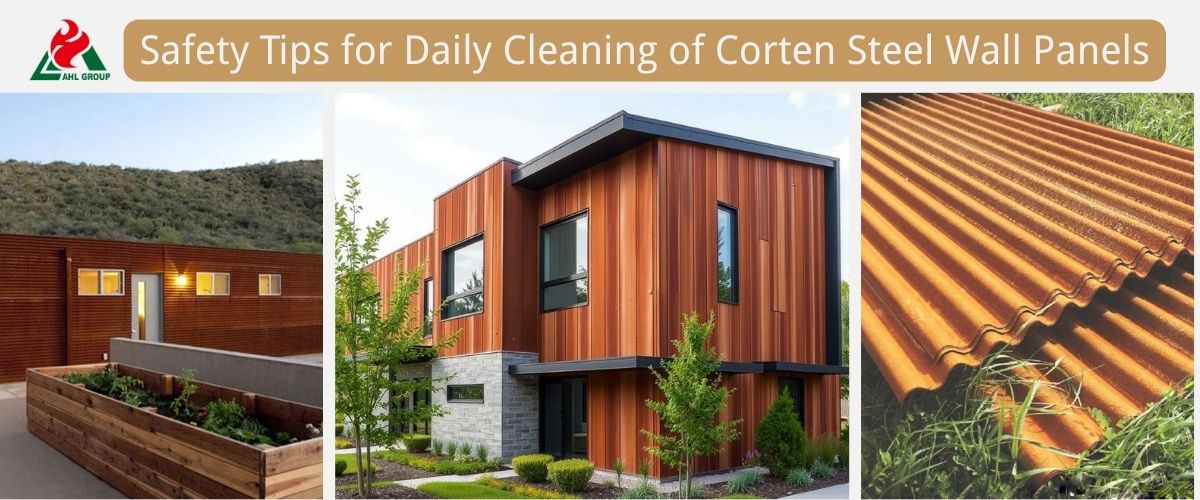
Safety Tips for Daily Cleaning of Corten Steel Wall Panels
Recommended Tools: Gentle Cleaning to Preserve Patina
The core principle of cleaning is “gentle and non-damaging.” No complex tools are needed—simply prepare the following items: a soft-bristle brush (or old toothbrush), clean water, and mild soap solution (pH around 7) if necessary.
These tools effectively remove surface debris like dust, fallen leaves, and bird droppings without scratching the patina, preserving its protective properties.
Cleaning Steps: Three Simple Steps for Efficient Stain Removal
Step 1: Gently sweep away surface dust and leaves with a soft-bristle brush, paying special attention to debris in crevices. Step 2: Gently rinse the surface with clean water—no vigorous scrubbing required. Step 3: For stubborn stains (e.g., bird droppings, pollen), lightly wipe with a cloth dampened in neutral soapy water, then rinse thoroughly with clean water.
Absolutely Forbidden: Practices That Destroy Patina
Avoid the following actions during cleaning, as they will directly damage the patina and cause irreversible harm:
Do not use acidic cleaners (e.g., oxalic acid, vinegar) or chlorine-based chemicals (e.g., bleach), as these corrode the patina.
Do not use steel wool or hard metal brushes, which will leave permanent scratches on the panel surface and induce localized rust.
Do not use high-pressure water jets, as the force disrupts an established, stable patina and delays its development.
Cleaning Frequency: Adjust by Zone for Optimal Results
Cleaning frequency need not be excessive; adjust based on installation environment:
Standard outdoor areas (e.g., inland residential exteriors) require cleaning once annually, preferably in spring.
Coastal and industrial zones necessitate cleaning every six months, focusing on removing surface salts and industrial dust to prevent accumulated contamination.
Core Purpose of Cleaning: Promoting Uniform Patina Formation
Contrary to the common misconception that “cleaning damages weathering steel's patina,” timely removal of surface debris prevents localized moisture imbalances. This ensures a more uniform oxidation process across the panel surface, resulting in a more consistent patina color and finer texture, and avoiding mottled or darkened areas.
Drainage: The Key Determinant of Corten Steel Siding Lifespan
The Perils of Standing Water: A More Insidious Threat Than Rust
Corten metal panels are most vulnerable to “prolonged water retention.” If moisture lingers on the panel surface, in gaps, or penetrates behind the panels, it not only hinders patina formation but also triggers internal corrosion. In severe cases, this can cause localized perforation, deformation, or even compromise the building's structural integrity, leading to extremely high repair costs later on.
Proper Drainage Design: Preventing Water Retention Hazards During Installation
To prevent water accumulation, ensure these three points during installation and prioritize them during maintenance:
First, install panels with a slight slope to ensure rainwater flows off without pooling on the surface. Second, incorporate weep holes, especially in enclosed panels, planters, or railings, to allow internal moisture to escape. Third, avoid designing flat or recessed surfaces, as these areas are most prone to water accumulation.
Routine Drainage Checks: Two Simple Steps for Timely Unclogging
During each cleaning or seasonal transition, prioritize inspecting drainage:
Step 1: Examine panel joints and bottom drainage holes, clearing debris like leaves, dust, or insect remains. Step 2: Inspect the drainage cavity behind panels to ensure no water accumulation or blockages. If water is found, promptly clear it to prevent penetration into the building structure.
Key Reminder: Prevent “Hidden Water Accumulation” Behind Wall Panels
Many focus solely on surface drainage while overlooking potential water hazards behind panels. For exterior cladding, corten metal sidings typically feature a waterproof breathable membrane and drainage cavity behind it. If this cavity becomes blocked, rainwater cannot escape after penetration. This directly corrodes the building structure while damaging the panel's patina.
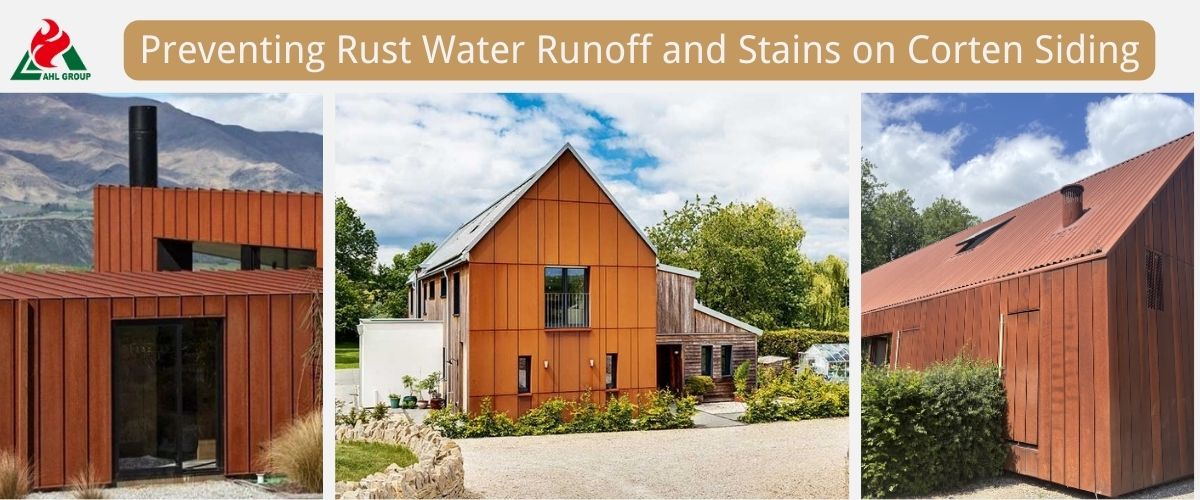
Preventing Rust Water Runoff and Stains on Corten Siding
Rust Water Runoff: A Normal Phenomenon, No Need for Alarm
During the initial patina formation stage (0-6 months), corten metal wall panelsmay exhibit minor rust water runoff (orange-red rust water). This is a natural part of the metal's oxidation process and does not indicate a panel defect. However, if rust water drips onto surrounding surfaces like concrete, stone, or light-colored walls, it can leave stubborn stains that are difficult to remove. Proactive protection is essential.
Three Protection Solutions: Eliminate Rust Water Stains
Solution 1: Install drip edges. Attach stainless steel or dark-colored aluminum drip edges to the bottom of the panels to direct rust water into pre-set drainage channels, preventing dripping onto surrounding surfaces. Solution 2: Lay a gravel bed. Place a gravel layer beneath the panels. The gravel absorbs rust water while concealing minor stains, suitable for outdoor areas like gardens or courtyards. Solution 3:Select dark flooring materials. Install dark concrete or stone slabs beneath the panels to minimize the visual impact of rust water stains.
Proper Sealant Application: Control Runoff, Lock in Color
If light-colored stone or walls are adjacent to the panels—areas prone to staining—use a transparent sealant to control rust water runoff. Opt for the 2026-recommended bio-based transparent sealant, which locks in patina, prevents rust seepage, and preserves the natural texture of weathering steel. Avoid high-gloss, film-forming coatings to maintain industrial aesthetics.
Protecting CortenSiding from Salt and Harmful Contaminants
The Perils of Salt: The Primary Threat to Coastal and Roadside Panels
Salt (including coastal salt spray and road de-icing salt) damages the patina of weathering steel, accelerating metal corrosion. This leads to mottled, loose rust layers on panel surfaces and may even cause deep corrosion. If panels are installed within 2 kilometers of the coastline or near municipal roads, prioritize salt protection measures.
Salt Protection Techniques for Different Scenarios
Coastal Areas: If coastal installation is unavoidable, fully seal the panels. While this halts the natural patina development, it effectively blocks salt spray erosion. Clean surfaces quarterly to remove salt residue.
Roadside Areas: Promptly remove residual de-icing salt from panel surfaces during winter using gentle water rinsing to prevent prolonged salt adhesion. If necessary, apply transparent metallic protective wax as a sacrificial layer within the bottom 1-meter range of panels before winter onset; remove this layer after spring.
Avoiding Other Harmful Contaminants
Beyond salt, industrial exhaust, pool chemicals, and strong acid/alkali cleaners can also damage the patina. For corten steel wall cladding indoors or near pools, keep it away from pool chemical storage areas and air conditioning vents. Panels in industrial zones require increased cleaning frequency to promptly remove surface industrial dust and prevent long-term contaminant buildup.
2026 Updated Guide: Timing and Methods for Sealing Wall Panels
Core Purpose of Sealing: Select Based on Need, Avoid Blind Sealing
In most cases, rusted steel panels require no sealing—the naturally formed patina provides sufficient protection. However, sealing enhances performance in these scenarios:
1. Controlling rust runoff to prevent surface staining 2. Indoor applications where locking in the current patina color prevents future discoloration 3. High-pollution industrial or coastal zones requiring enhanced protection
When selecting sealants, adhere to the principles of “transparency, breathability, and environmental friendliness.” Prioritize the following three types: Transparent acrylic sealants, silicone sealants, and the bio-based sealants promoted in 2026. These sealants lock in the patina, prevent rust water seepage, and preserve the natural texture of weathering steel, aligning with green building principles.
2026 Quarterly & Seasonal Maintenance Checklist
Spring + Summer: Promote Even Patina Formation, Control Moisture
Spring and summer bring abundant rainfall and rising temperatures—a critical period for weathering steel cladding's patina formation, yet also prone to water accumulation and mold growth. Key maintenance tasks include:
1. Clean cladding surfaces to remove winter residue (dust, salt) and promote even patina development; 2. Inspect drainage systems, clear gaps and drainage holes to prevent rainwater retention; 3. Control mold and moss growth. For panels on shaded building sides or near ground level, use a stiff dry brush to remove emerging moss to avoid damaging the patina with wet brushing; 4. Trim vegetation growing too close to panels to ensure ventilation and prevent localized dampness caused by plant coverage.
Fall + Winter: Prevent Freeze-Thaw Damage and Salt Corrosion
As temperatures drop and precipitation increases in fall and winter, maintenance focuses on preventing freeze-thaw damage and deicing salt corrosion. Key actions include:
1. Clear fallen leaves and debris to prevent prolonged accumulation at the base of siding, which can cause localized dampness and rust; 2. Inspect wall panel-to-foundation joints to ensure sealant integrity, prevent rainwater infiltration, freeze/thaw expansion, and panel deformation; 3. Minimize de-icing salt exposure. Promptly remove surface residues near roadways; apply protective wax coatings as needed; 4. Clear snow accumulation from wall panel tops promptly after heavy snowfall to prevent repeated freeze-thaw cycles that damage patina and structure.
Conduct quarterly inspections focusing on these 5 key points to effectively mitigate risks without excessive time investment:
1. Inspect patina for uniformity, checking for localized blackening, peeling, or loose rust spots; 2. Verify drainage system functionality, ensuring no water accumulation or blockages; 3. Examine sealant layer (if present) for integrity, checking for peeling or whitening; 4. Check fasteners for looseness or corrosion; 5. Monitor for pollutant buildup or vegetation obstruction around wall panels.
Sealant is not a permanent solution and require periodic reapplication. The specific cycle depends on the usage environment:
- Indoor areas: Resurface every 3-5 years - Standard outdoor areas: Resurface every 2-3 years - Coastal or industrial areas: Inspect annually. If peeling or whitening of the sealant layer is detected, touch up or resurface promptly.
Sealing vs. Natural Patina: A Clear Trade-off
Sealing involves a fundamental trade-off: Once sealed, the patina formation process on the wall panels ceases. The color will remain fixed at its current stage, unable to evolve into deeper textures through natural oxidation. Suitable for scenarios prioritizing fixed aesthetics or requiring stain resistance (e.g., interior decoration, areas adjacent to light-colored walls). If preserving the “timeless texture” of weathering steel is desired, sealing is not recommended.
Structural Maintenance of Cladding: Fortifying the Foundation of Safety
Fastener Maintenance: The “Skeleton” of Corten Siding Must Not Loosen
Weathering steel wall panels are typically secured to building studs with bolts. These fasteners are central to structural safety, with maintenance priorities as follows:
1. Regular Tightness Inspections: Conduct annual checks, especially after high winds or typhoons. Randomly inspect bolts with a wrench for looseness to prevent panel swaying or displacement. 2. Compatible Material Selection: Strictly prohibit ordinary carbon steel bolts. Use 316 stainless steel or specialized weathering steel bolts to prevent electrochemical corrosion from dissimilar metal contact. 3. Corrosion Management: If abnormal rust (more sparse and active than normal patina) appears around bolts, replace them immediately to halt corrosion spread.
Waterproofing and Moisture Control: Safeguarding the “Invisible Defense Line” Behind Panels
Many mistakenly believe rusted steel sidings themselves are waterproof—this is incorrect. They primarily serve decorative purposes, while true waterproofing relies on the vapor-permeable membrane and drainage cavity behind the panels. Maintenance Focus: Inspect drainage cavity patency and membrane integrity. If panels are damaged during subsequent installations (e.g., air conditioning units, signage), promptly check sealant integrity to prevent moisture ingress into the building.
Metal materials are sensitive to temperature fluctuations. During summer direct sunlight, weathering steel panel surfaces can reach 60-70°C (140-158°F), causing expansion. In winter, cooling temperatures induce contraction. Key maintenance points include:
1. Clean expansion joints: Regularly remove leaves and debris from expansion joints to allow space for panel expansion and contraction. 2. Inspect for Deformation: Observe the panel surface for localized bulging or indentations. If deformation is reversible (resolving after temperature changes), no action is required. If deformation is irreversible, promptly adjust fasteners or replace the panel.
Patina Development and Aesthetic Management of Corten Sidings
Stages of Natural Patina Evolution (2026 Detailed Guide)
The patina color of weathering steel panels naturally evolves over time through four distinct stages, each possessing unique aesthetic appeal without requiring intervention:
1. Initial Stage (0-6 months): Surface appears silver-gray or light orange, with rust runoff most prominent; 2. Stabilization Stage (6 months-2 years): Color transforms to bright orange-yellow with a slightly rough surface as patina begins to form; 3. Maturation Stage (2-5 years): Color deepens to reddish-brown or dark brown, with a dense patina offering optimal protective properties; 4. Ultimate Stage (5+ years): Displays deep purple or chocolate brown hues with a warm, lustrous texture, achieving peak aesthetic value.
How to Maintain an Even Patina: Two Simple Steps
To achieve a uniform patina color and consistent texture on the wall panels, focus on two key points:
First, ensure balanced moisture exposure. For areas like eaves or shaded spots that receive less rainfall, lightly mist with water during dry seasons to simulate natural wet-dry cycles. Second, prevent localized shading. Promptly remove debris or vegetation obstructing panel surfaces to avoid uneven oxidation and mottled stains.
Minor Damage Repair: Minimal Intervention, Natural Healing
Minor damage to corten steel metal panels requires no excessive repair. Follow the “minimal intervention” principle:
1. Light Scratches: No treatment needed. The patina will naturally cover them within weeks, blending with the surrounding colors. 2. Deeper Scratches: If the silver-gray metal substrate is exposed, gently sand the surrounding area with fine-grit sandpaper along the panel grain. Then spray a small amount of diluted saltwater (concentration below 3%) to accelerate oxidation, allowing the patina at the scratch site to quickly synchronize with the surrounding area; 3. Localized Rust Spots: Remove loose rust flakes with a nylon brush. Apply a phosphate converter, allow it to air dry, and let it oxidize naturally to reform the patina.
When is professional restoration required?
Contact a professional for restoration in the following three scenarios to prevent damage escalation:
1. Localized perforations or extensive flaking corrosion; 2. Irreversible panel deformation compromising structural integrity; 3. Large-scale blackening or peeling of the patina that cannot be restored through cleaning or natural oxidation.
Conclusion
The core principle for maintaining rusted steel cladding in 2026 was “prevention first, minimal intervention”—respecting the natural evolution of its patina. By focusing on foundational tasks like drainage, cleaning, and structural inspections, most maintenance pitfalls can be avoided. Weathering steel panels are not “maintenance-free wild materials,” but rather “architectural partners” requiring appropriate care. Their aesthetic appeal deepens with time, becoming increasingly warm and mellow, while their durability is enhanced through scientific maintenance. Whether for residential or commercial buildings, or for outdoor landscapes, following the maintenance techniques in this guide will extend the lifespan of weathering steel panels while preserving their unique industrial aesthetics and natural texture. This architectural investment will continuously enhance your space's value, accompanying you for decades to come.
Ready To Choose Your Exclusive Outdoor Corten Metal Siding?
If you're currently usingcorten siding panels or planning an installation but unsure how to properly maintain it and avoid potential issues, visit our official website to explore high-quality weathering steel siding products. We offer one-on-one expert consultations to address your maintenance concerns, assess your siding's condition, and create a customized care plan—all free of charge. Plus, new customers enjoy exclusive, limited-time offers, making it easy to preserve your corten corrugated cladding's beauty and durability while saving both time and money! Contact us now!

.jpg)
.jpg)
.jpg)
 Fill In The Inquiry